Kusch+Co is a brand known worldwide for its excellent quality, unique furniture design and innovative solutions for airports and medical facilities. At its foundation is quality, which manifests itself in carefully selected materials, precise workmanship and refined design.
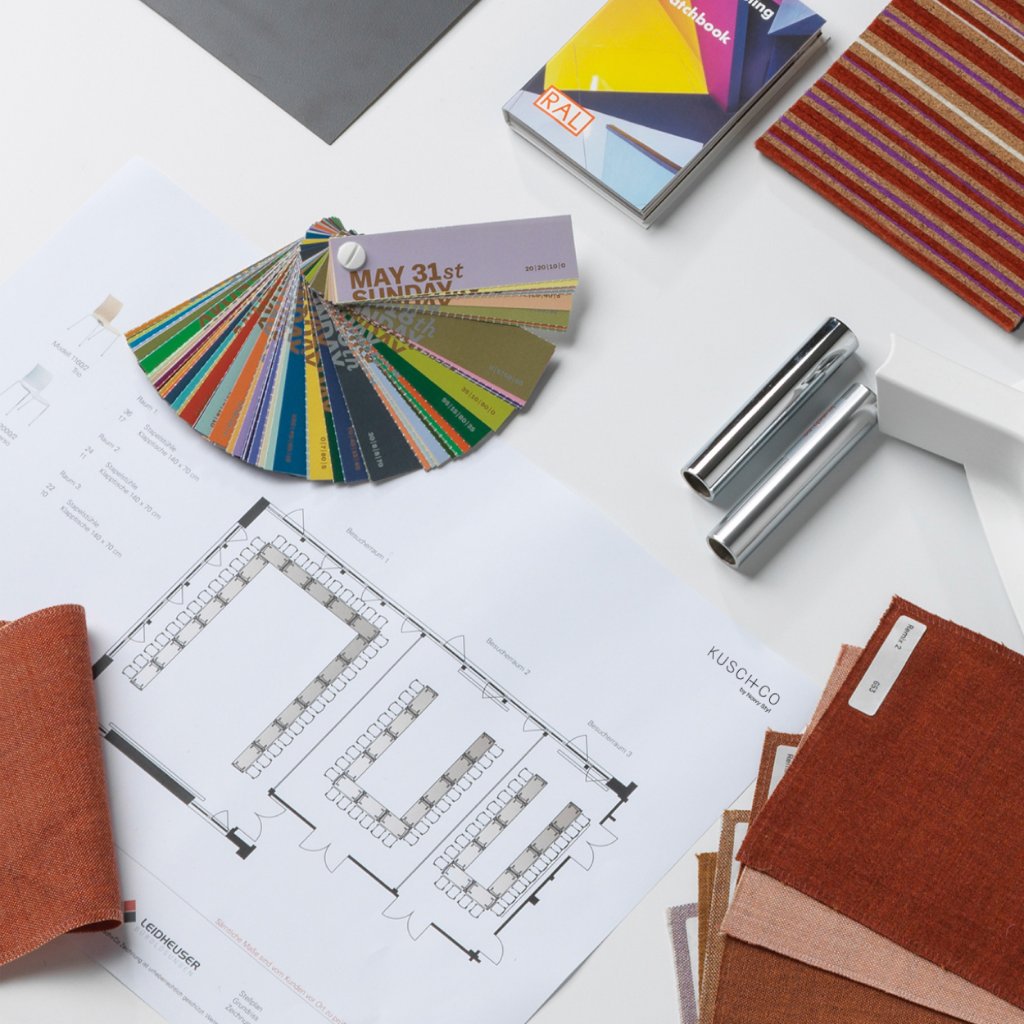
Since 2019 Kusch+Co has been a brand by Nowy Styl, a European leader in comprehensive furniture solutions for office and public spaces. The unique business model allows Nowy Styl to provide clients with a complete interior furnishing service, based on an in-depth analysis of the specificity and needs of the customer, work efficiency as well as work organization, ergonomics and acoustics. Owing to the company’s experience as well as technological and production facilities, each offer is made to measure.
Kusch+Co as a part of Nowy Styl
Kusch+Co belongs to Nowy Styl – one of the largest producers of office & public spaces furniture in Europe. It is in Nowy Styl’s social responsibility to comply with ethical standards protecting human rights and fair business inside our organisation and all along our value chain.
EcoVadis
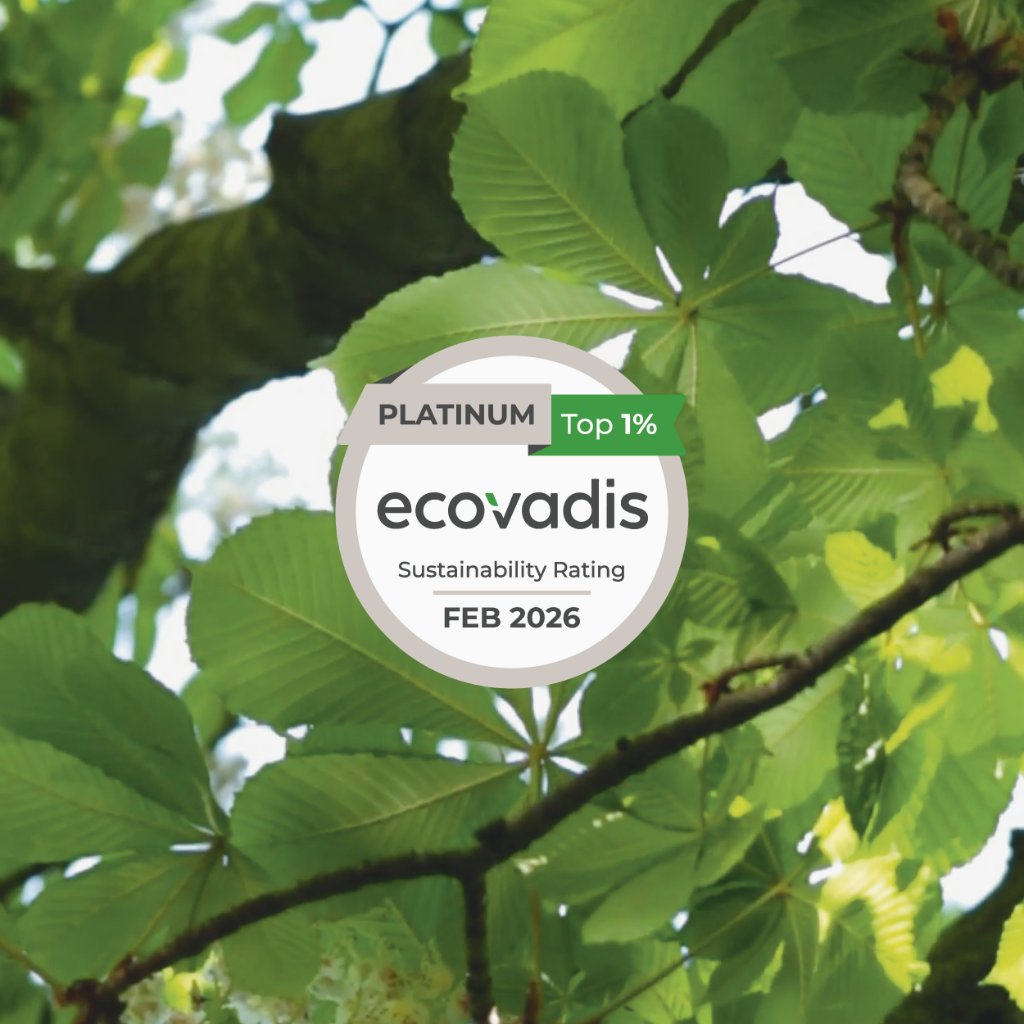
As a part of Nowy Styl, Kusch+Co was also subjected to an EcoVadis assessment – Nowy Styl has once again received the highest possible EcoVadis assessment in 2026 – the Platinum Medal.
Nowy Styl has been a signatory to the United Nations Global Compact and supports the ten principles of the initiative in the areas of human rights, labour standards, environmental protection and anti-corruption. Its strategic objectives are aligned with selected United Nations Sustainable Development Goals (SDGs) and supported by certified management systems. Nowy Styl operates in accordance with ISO 9001, ISO 14001, ISO 14006, ISO 45001, CO₂ Performance Ladder and FSC® (FSC®-C155352). All production companies are currently certified in accordance with ISO 9001:2015 and ISO 14001:2015.
We believe that sustainability is the feasible and affordable combination of environmental awareness, commercial interests, and CSR, not only for products, but especially for communication with people, employees, and partners as well.
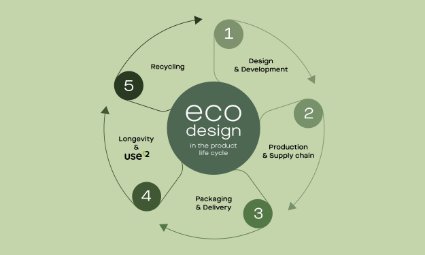
This approach guides us throughout the entire product life cycle, from design and development to production and supply chain processes, packaging and delivery, product longevity (including the use2 programme), and recycling of used materials and components for use in new products that will serve future generations.
1. Design & Development
Design
We design for efficient resource management and for product longevity. Our contribution to sustainable development begins at the design stage. We use raw materials by respecting finite natural resources, and work with designers, who appreciate the natural world as much as we do. They strive to minimize the use of materials, make products recyclable, and ensure long product life.
Design for sustainability means:
Timeless and ergonomic design
Reduction of materials
Durability, including high-quality materials
Modularity, flexibility
Well-thought-out base design
Option of replacing used components
Development
This is where design sketches physically take on three dimensions, the lines drawn in pencil transform into those made of wood or other material, and thus the idea turns into a real product. This is where our experts use all their knowledge and experience to make the best of the design and materials for the sake of our planet.
Development for sustainability means:
reducing material usage – to save material, and to reduce weight
production optimisation (for example: one mould can produce 4 foam parts: an outer seat, poufs, and sofas, each in two versions)
component universality and minimal number of components
ability to replace most components
selection of materials with reduced formaldehyde and VOC emissions
2. Production & Supply chain
Production
Designed and developed with care for our natural environment, the product is ready to be manufactured for end-users, to serve them and elevate their everyday experience over the long term. Kusch+Co's product lines are manufactured with sustainability in mind. Production processes are continually optimized to increase energy and water efficiency, reduce raw material consumption, and reduce waste.
Decarbonisation
We are aware of the need to reduce CO₂ emissions and make decarbonization one of key strategic goals. Calculation of the carbon footprint for production is conducted in accordance with the requirements specified in ISO 14064-1 and the GHG Protocol. Calculation activities focus on direct and indirect emissions, using the GHG Protocol methodology – Scopes 1 and 2.
Scope 1 – direct emissions from fuel consumption from sources owned or controlled by the organization.
Scope 2 – indirect emissions, primarily from the consumption of electricity generated in off-site installations.
Quality management
To ensure consistently high customer satisfaction and product quality, while also ensuring environmental and safety aspects, production is carried out in accordance with the ISO 9001:2015 quality management system and the ISO 14001:2015 environmental management system.
Paint finishes using water-based varnish
By using water-based varnish, we have reduced emissions of volatile organic compounds to an absolute minimum. The water-based varnish used does not contain any harmful substances.
Supply chain
We focus on long-term, strategic relationships with suppliers who share our ethical and environmental values. We ensure that our supply chain meets the highest standards of quality and social responsibility, which we implement, among other things, through our Procurement Policy and Supplier Code of Conduct. This translates into appropriate provisions in all our key supplier contracts.
Suppliers
We carefully select suppliers based on their ability to meet our quality and sustainability standards. Compliance with our supplier requirements is essential to ensure consistent performance and partnership success. All documents for suppliers are available at: https://www.nowystyl.com/en/suppliers/
Raw materials
All wood and wood-based materials used in our products come from legal sources, and most of them come from areas with sustainable forest management, as confirmed by the following certificate: FSC® (FSC®-C155352).
The FSC® certificate is a guarantee of sustainable forest management. The programme is based on the principles of sustainable development and responsible forest management practices and on principles that enable the traceability of trade in and production of wood products from certified forests.
Finishes
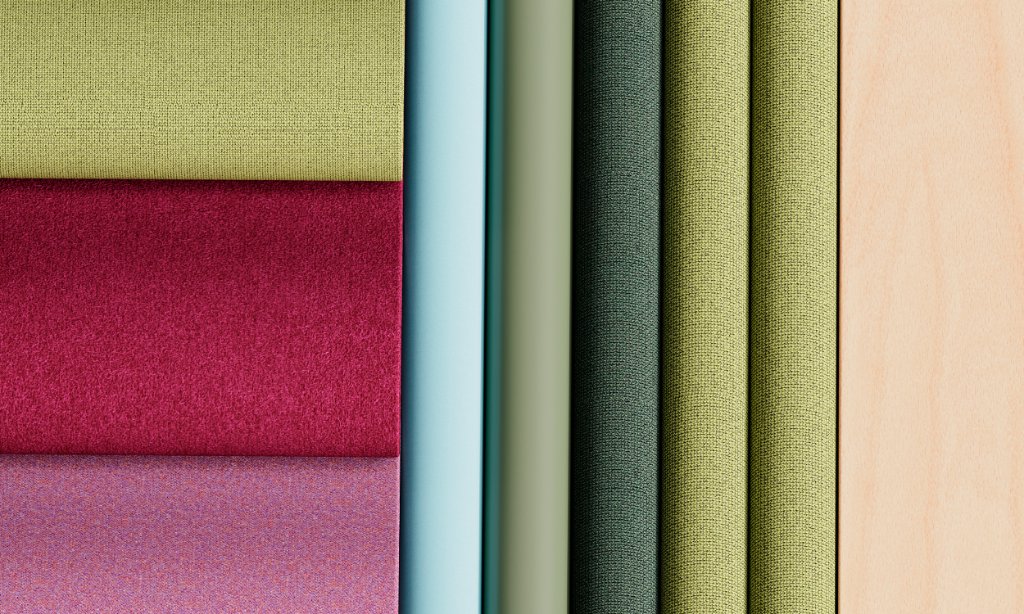
Our selection comprises fabrics sourced from natural renewable sources: wool and flax.
Wool is a natural and renewable material that grows quickly. Woolen textiles, thanks to their high durability and with proper maintenance, age beautifully and contribute to extending the product life cycle.
We select woollen textiles from producers who acting responsibly care for animal welfare, and are certified to the EU Ecolabel. Flax needs minimal water for cultivation, and during growth, each hectare of flax absorbs 3.7 tonnes of CO₂. Source: Camira manufacturer's website.
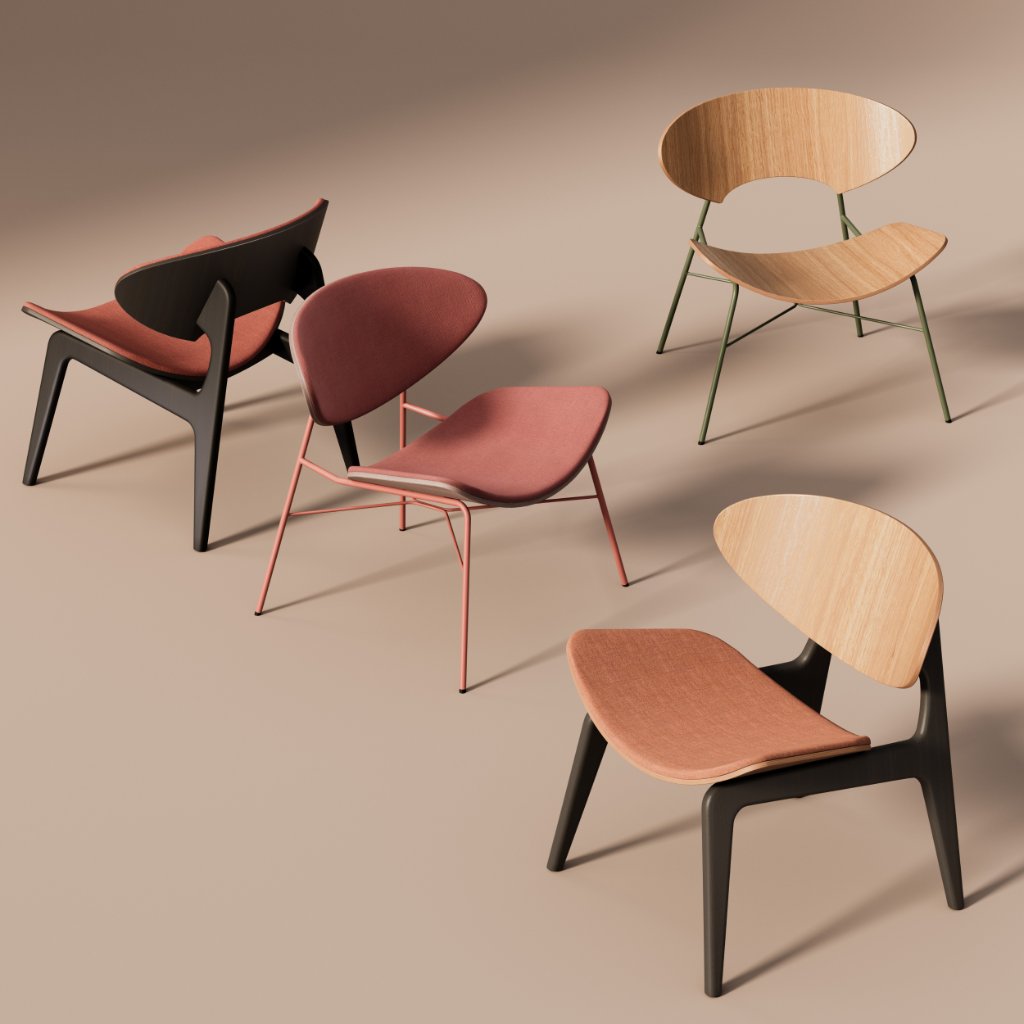
Kanu lounge armchair by Tomasz Augustyniak, upholstered in Remix 3 by Kvadrat (90% of wool)
3. Packaging & delivery
Packaging
Packaging materials are reusable, and we really do use them multiple times. Our packaging materials are recyclable, and are for the most part made of recycled mixed materials. We take packaging materials back and reuse them several times, before they are fed into the recycling cycle.
Delivery
Our logistics operators have provided our company with long-term strategies concerning sustainable development reports (including reduction of greenhouse gas emissions) which represent targeted plans for achieving certain objectives.
4. Longevity & use2
The longevity of the product is influenced by various factors, including timeless and ergonomic design, which makes the product look fresh and modern; durability, as a result of which the product provides comfort over a long period of use; and the ability to replace most components.
Renewed. Refreshed. Reused.
use2 is a "second life" solution in the field of sustainable development whose main goal is to extend the longevity of office furniture. The project involves collecting, renovating and reusing furniture, as well as upcycling items that cannot be repaired. This gives products a "second life" and enables valuable raw materials to be returned to the production cycle.
5. Recycling
Our products contain a high proportion of renewable raw materials, materials that can be separated by type and are easy to recycle.
In Njord, designed by Antonio Scaffidi and Mads K. Johansen, solid wood meets felt – these two materials can be separated up to 90% to be later recycled and reused.
Plastic
We use easily recyclable components made from polypropylene, polyethylene and polyamide as separable components and label them to facilitate the separation of materials in the end-of-life/recycling stage.
Metal
Metal is a raw material that already contains recycled content and is easily recycled at the end of the product's life cycle.
Aluminium
We use almost exclusively recycled and recyclable aluminium.
Wood
All wood and wood-based materials used in our products come from legal sources, and most of them come from areas with sustainable forest management, as confirmed by the following certificate: FSC® (FSC®-C155352). This ensures that these materials do not come from wasteful logging and deforestation.
Textiles
To minimize waste and move within the circular economy, we use textiles made of post-consumer recycled polyester, that additionally is recyclable. Most of the post-consumer recycled polyester textiles we offer are certified with the EU Ecolabel and STANDARD 100 by OEKO-TEX®, which guarantees that the product does not contain harmful substances.
All waste generated in our production processes (e.g., fabric scraps, foam scraps, metal scraps, fabric scraps, paint scraps) is sorted on-site, then collected and processed by authorized companies, and almost all of it is recycled. Waste accumulated during the processing of wood materials and wood components is used as biomass for thermal energy production.
Sustainable development documents
We apply specific internal and external policies to ensure this, including: Code of Ethics, Supplier Code of Conduct and Procurement Policy, which extend the standards of ethics and social, economic, and environmental responsibility for Nowy Styl suppliers.
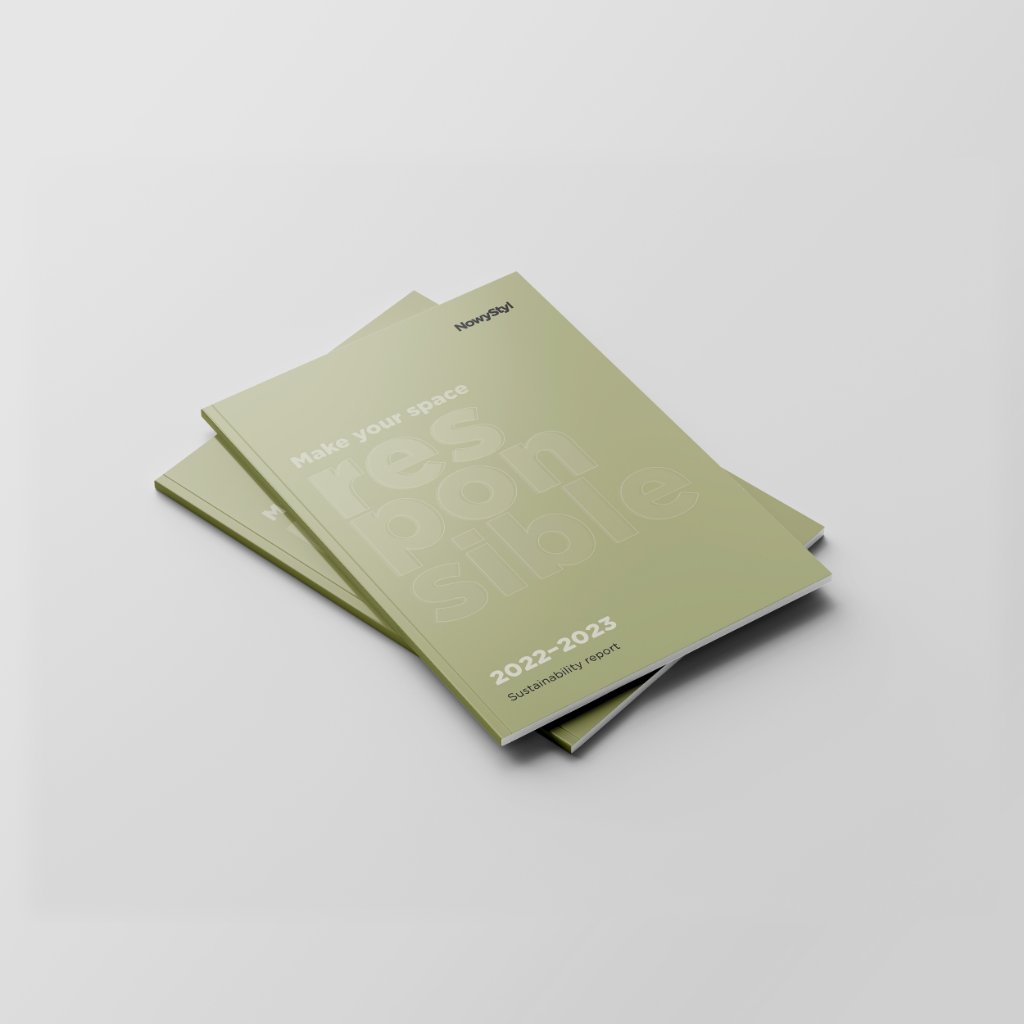
Check out the Nowy Styl Sustainability report that we compiled in line with GRI standards and that was approved by an independent verification body - KPMG Advisory.
We have signed the Diversity Charter, an international initiative for promoting equal treatment and diversity at work, coordinated by The Responsible Business Forum. The Charter has signatories in 26 EU countries.
Signing the Diversity Charter means the whole organisation, including its employees, as well as social and business partners, is ready to counteract any discrimination at work, to promote and create diversity. Organisations that decide to implement the programme foster social equality and coherence.
Joining this initiative confirms that diversity and human rights are integral parts of our organisational culture.